Australian Dollar Rides Interest Rates Higher
The AustralianDollar (AUD) has made a spritely start to 2026, rallying around 5% year-to-dateagainst the greenback to levels near 0.70. With Australian inflation running hot at 3.8% (per the latest December 2025 data), well above the RBA's 2–3%target band, the central bank had little choice but to raise interest rates—which it did, hiking by 25 bps on Tuesday to 3.85%. This yield advantageis favourable for the AUD, especially with the RBA potentially not done yet.Riding interest rates higher, there could be more upside from current levelsgiven the differing trajectories of Australian and US interest rates. Whilethere is a path higher for the AUD if rates continue to rise, the currency ishighly confidence-sensitive, so any bouts of general risk aversion could trigger pullbacks.
The USD itself hasenjoyed a good run since Friday. The nomination of Kevin Warsh as the next Fed Chair breathed new life into the greenback, with Warsh viewed as the least dovish of the shortlisted candidates. While a mid-year rate cut from the Fedremains possible under Warsh (assuming confirmation), his track record as a Fed Governor positions him as an inflation hawk and no fan of quantitative easing(QE), which seems to support a stronger dollar. Interestingly, this appears at odds with President Trump, who has made no secret of his desire for a weaker USD. Overall, the Warsh pick looks like a ‘steady hand’ selection rather thanan ultra-dovish one, putting worries about Fed independence on the backburner.
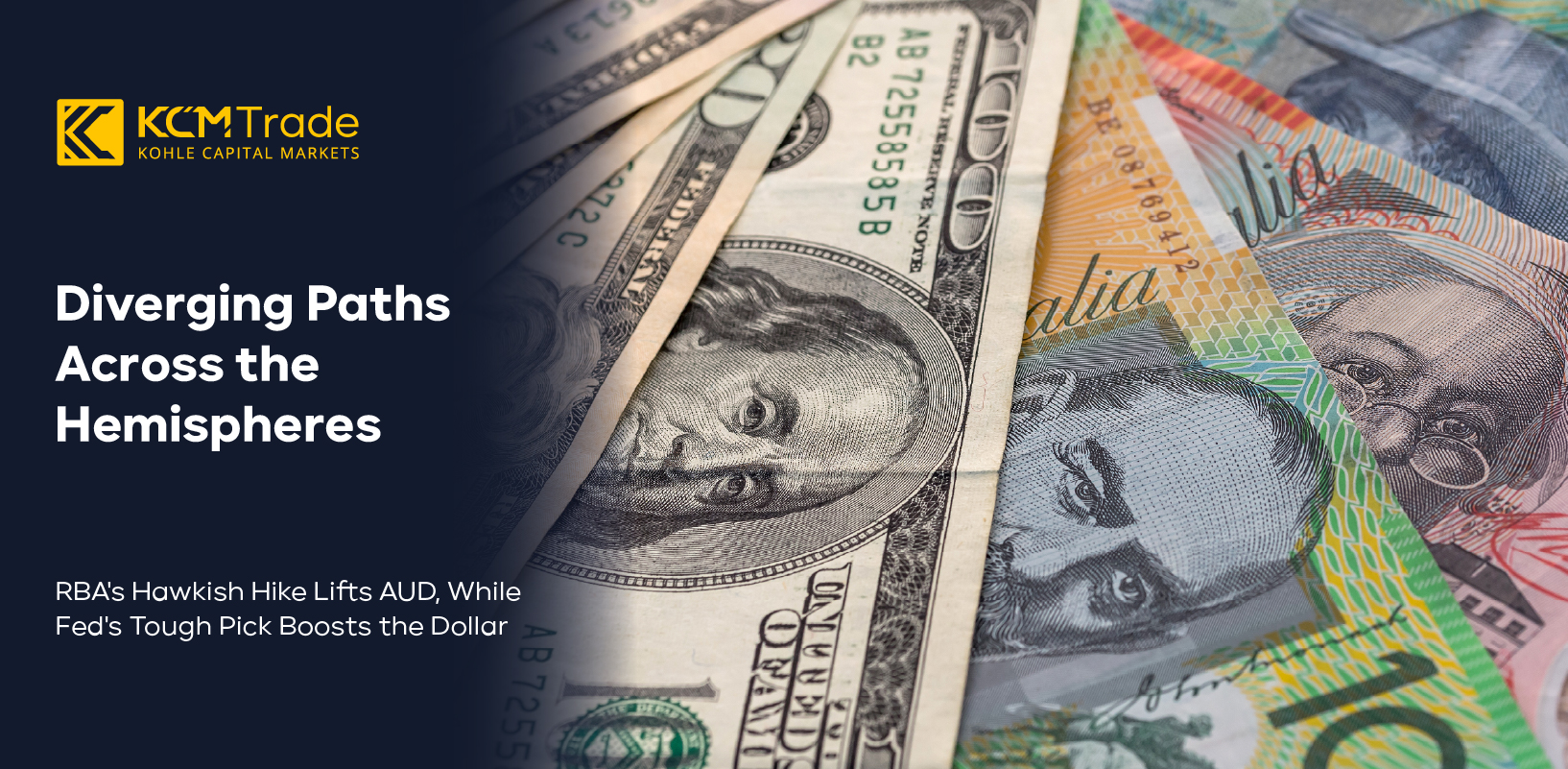
The Dollar Index(DXY) moved from just above the 96 level prior to the nomination to themid-97s, helped also by better macro data such as US ISM Manufacturing (52.6,the best since August 2022, indicating expansion). With the latest US GDP at4.4% and Warsh’s hawkish leanings, the Fed’s direction may be less dovish than previously anticipated, supporting USD upside.
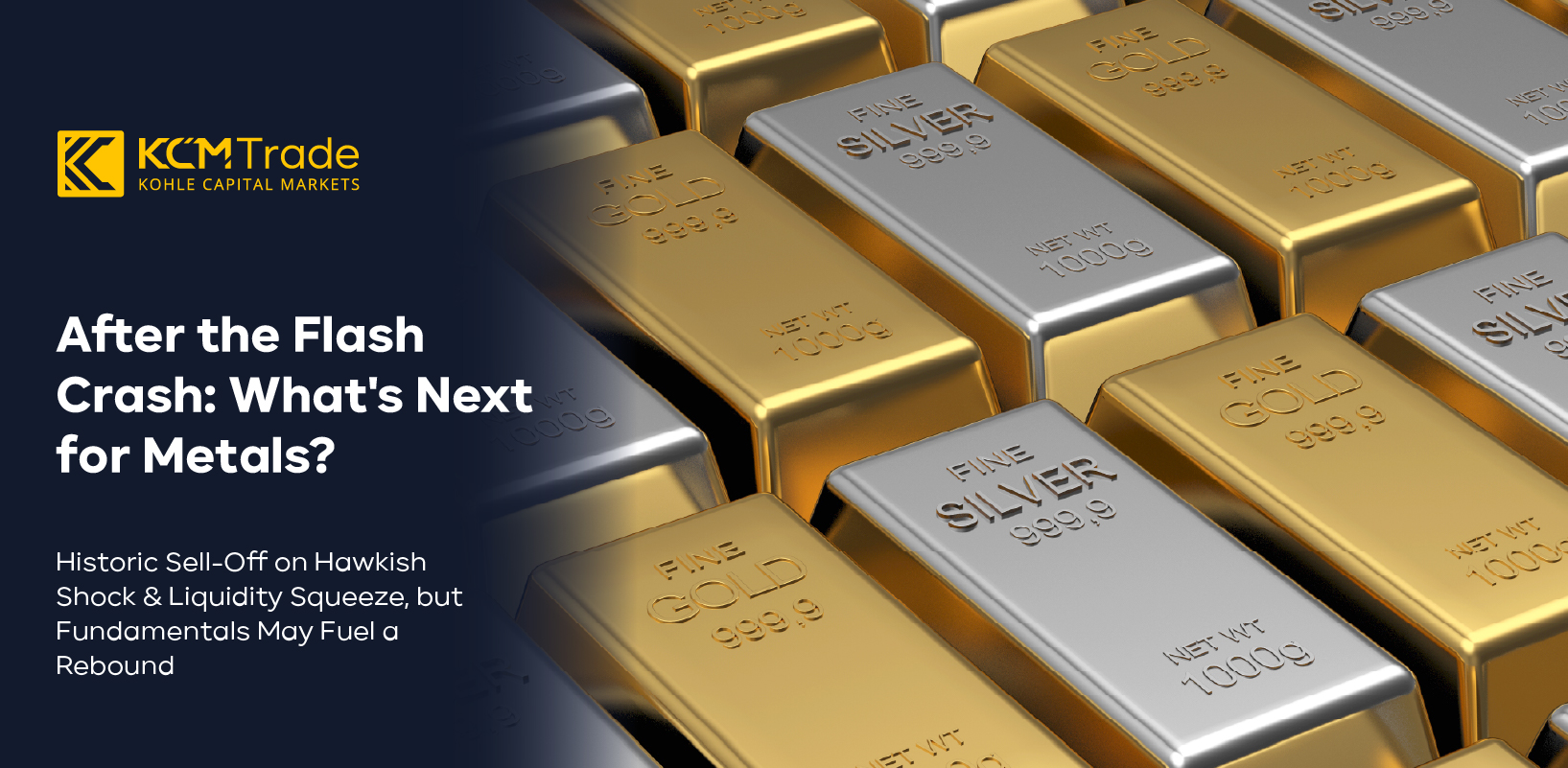
Now onto the bigstory of the week—what happened to precious metals? My take is that the Warsh nomination and resulting USD appreciation was the initial trigger for the sell-off in gold and silver, exacerbated by CME margin increases (shift topercentage-based), overbought conditions, and institutional selling. Yes, Warshis not super dovish, but there was no fundamental macro shift to warrant the sharp moves (near 10% drop in gold, 30% in silver last Friday). Gold and silverhave staged a rebound effort, finding themselves in oversold territory. If focus returns to fundamentals, precious metals can track higher again—central banks haven’t suddenly stopped liking gold, and industrial demand for silver hasn’t disappeared. The market may remain gun-shy until the dust settles after that historic sell-off, but discounted levels could kickstart the uptrendresumption.
Oil prices continue to follow US-Iran headlines, with potential conflict adding riskpremium and keeping WTI above $60 for now. Absent this geopolitical risk, crude would arguably trade lower given the projected 2026 excess supply. If a US-Irandeal emerges, prices would likely slip, but with US warships in the Gulf (and arecent drone incident), the conflict risk keeps oil inflated.
Looking ahead,January Non-farm Payrolls (NFP) data was due this week but has been delayed due to the partial US government shutdown. We should still see clues from private ADP data on the labour market. ECB and BoE interest rate decisions are also due(both expected to hold steady). Sentiment around the current US earning sseason—which looks healthy so far—could be the main driver. But after the steep precious metals falls and waves of risk a version over the last week, traders are walking tentatively—and understandably so.



.jpg)

.jpg)